
 Dr Sajid Siddiqi
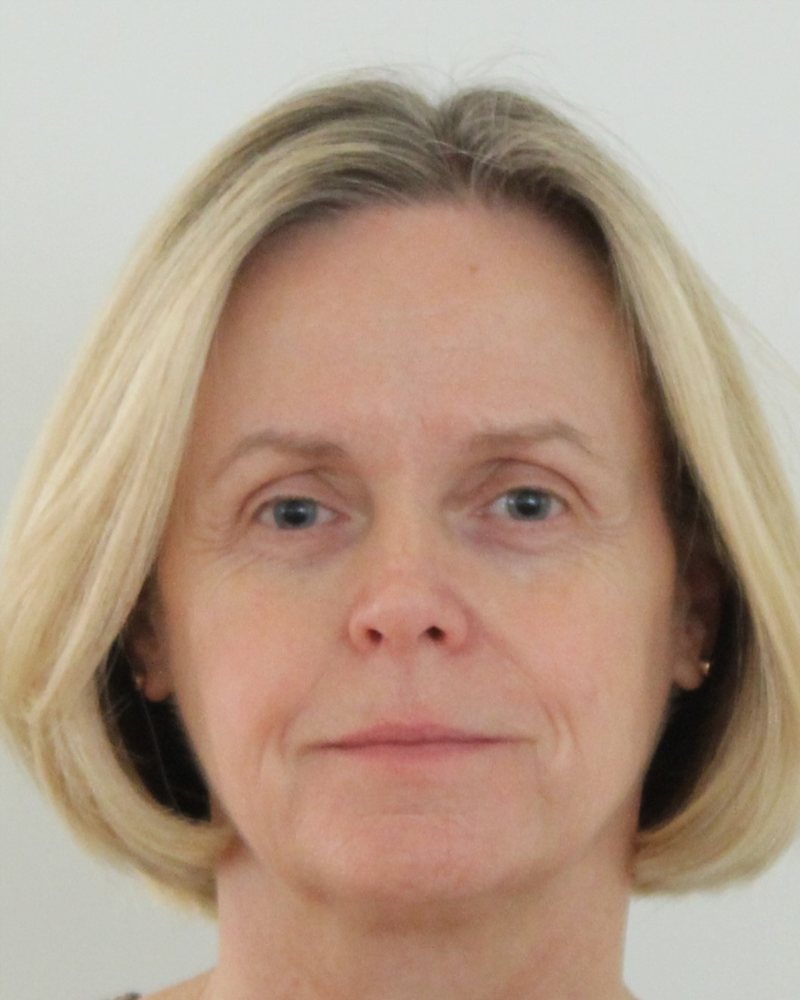 Dr Robyn White
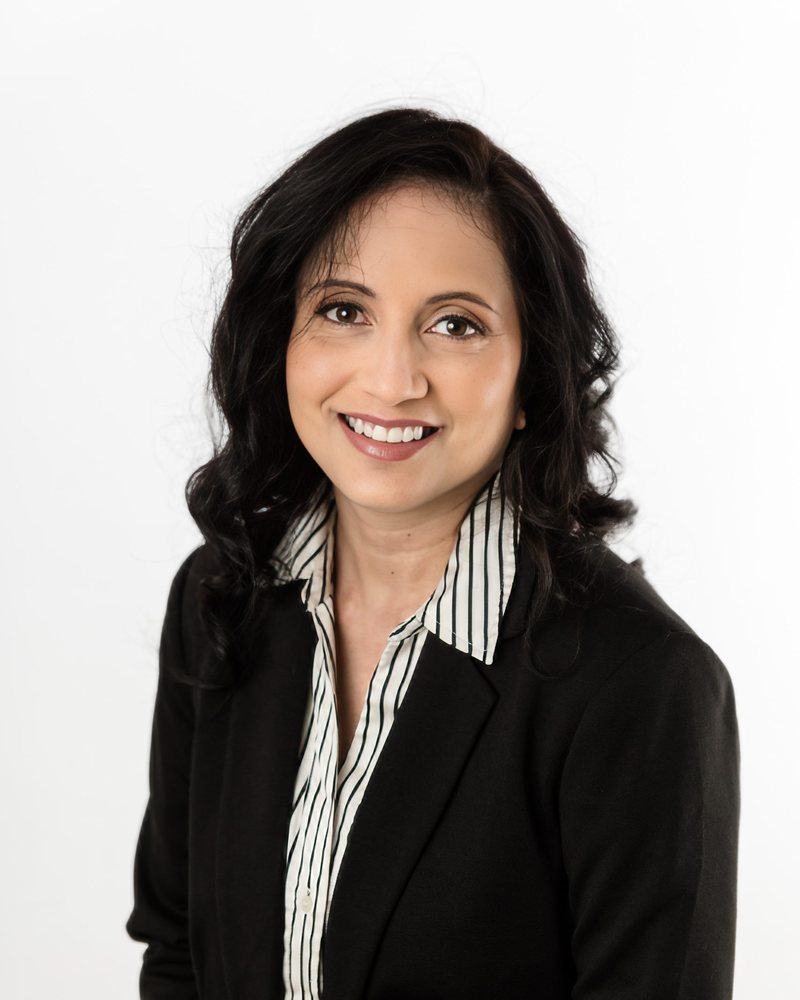 Dr Uthpala Senaviratne
 Jordan Turany
 Mohammed
A skin check is a full-body examination by a GP using a dermatoscope, a hand-held magnifying light that shows the structures beneath the skin surface and helps tell a harmless mole from an early melanoma. At East Hills Medical Centre a full check is booked as a long consultation, takes about 20 minutes, and covers the scalp, face, trunk, limbs, between the toes and under the nails. Spots of concern are photographed and monitored, biopsied, or removed in the practice under local anaesthetic, with tissue sent to pathology; lesion removal costs $177 with a Medicare rebate of $87.10. Adults with fair skin, many moles, a history of sunburn or outdoor work, or a personal or family history of skin cancer should consider an annual check. Between checks, look for a spot that is new, changing, asymmetric, has an irregular border, several colours, a diameter over 6 mm, or is evolving.
Preparing for the check
- Remove nail polish and avoid fake tan for two weeks
- Wear clothing that is easy to take off
- Note any spots you are worried about, and bring photos if you have them
- Tell the doctor about previous skin cancers and treatments
During the examination
You undress to underwear in a private room and the doctor examines your skin systematically with the dermatoscope. Nothing touches the skin apart from the dermatoscope lens. Suspicious spots are recorded with their location and appearance so change can be tracked at the next visit.
The ABCDE signs
- Asymmetry: one half unlike the other
- Border: irregular, scalloped or blurred
- Colour: several shades of brown, black, red, white or blue
- Diameter: larger than 6 mm, though melanomas can be smaller
- Evolving: any change in size, shape, colour or symptoms such as itching or bleeding
Also watch for a sore that does not heal, or a new firm pink lump, which can be non-melanoma skin cancers.
If something needs removing
Minor lesions are removed in the practice treatment room under local anaesthetic and sent to pathology. Results take about a week and are discussed at a follow-up visit. Lesions on the face or those needing complex closure are referred to a dermatologist or plastic surgeon.
Prevention
Sunscreen SPF 50+ on exposed skin every day, a hat and sunglasses, shade between 10am and 3pm, and no solariums. Sun protection in childhood makes the biggest difference to lifetime risk.
This guide is general information and does not replace a consultation. Fees and processes are the practice's own and are current at the published date.